Cessna 172RG Rear RH Baffle Assembly
Cessna 172RG Rear RH Baffle Assembly
Blog Article
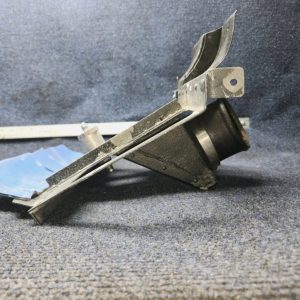
The Cessna 172RG Rear RH Baffle Assembly
The Cessna 172RG Rear Right-Hand Baffle and Cessna 172RG Engine Baffle terms describe related engine-compartment structures, while the exact Cessna 172RG Cooling Baffle should remain identified by P/N 2455038-2.
The Cessna Cutlass Engine Baffle, Cessna 172RG Baffle Assembly, Rear RH Engine Baffle, and Aircraft Engine Baffle Assembly describe related cooling-air components located within the engine compartment.
An Aircraft Cooling Air Baffle may also be marketed as a Cessna 172RG Airflow Baffle when its exact location, orientation, and part number are stated accurately.
Accurate use of Cessna 172RG Replacement Baffle terminology supports buyer discovery while preserving technical clarity.
Understanding P/N 2455038-2
Complete part-number verification reduces incorrect purchasing and unnecessary installation work.
Informal cross-references should not replace current parts information or approved technical data.
How Aircraft Baffles Direct Cooling Air
It works with adjacent metal baffles, flexible seals, cowling surfaces, fasteners, brackets, and engine components to form a coordinated cooling system.
Unexpected temperature indications may result from multiple causes rather than the rear baffle alone.
Aircraft Model and Serial Applicability
The offered assembly should be compared with the removed component, mounting points, adjacent baffles, cowling, and technical illustrations.
The replacement baffle should align naturally with surrounding parts and retain required clearances.
Understanding Formed Aluminum Cooling Panels
The exact material, thickness, temper, finish, and construction should be confirmed through applicable technical information when required.
The baffle should be supported correctly during storage and shipment to prevent bending.
Rear RH Baffle Damage Inspection
Both sides should be examined under suitable lighting, especially around bends, corners, mounting holes, stiffeners, and seal-retaining edges.
Qualified evaluation helps determine whether repair, replacement, or rejection is appropriate.
Managing Gaps Around the Engine Baffles
Flexible seals help close gaps between metal baffles and surrounding cowling surfaces so cooling air follows the intended route.
Excessively stiff or incorrectly positioned material can interfere with cowling installation or fail to seal properly.
Managing Moisture and Chemical Exposure
Professional corrosion treatment helps preserve the remaining baffle within acceptable limits.
Storage components should remain dry, clean, supported, and protected from unsuitable wrapping that traps moisture.
Inspecting Rear Baffle Attachment Points
Fastener holes should be checked for elongation, cracking, burrs, corrosion, double drilling, fretting, and evidence of repeated removal.
Fastener type, diameter, grip, spacing, and installation method should correspond with applicable data.
Managing Engine Baffle Parts Inventory
Every supporting component should be identified by part number, position, condition, and required quantity.
Parts should be labeled and segregated according to condition and inspection status.
Avoiding Unnecessary Component Replacement
Complete troubleshooting helps prevent unnecessary replacement and repeated maintenance.
Post-maintenance checks should confirm that the complete installation functions as intended.
Cessna Baffle Repair Considerations
The decision to repair or replace a damaged baffle depends on crack location, corrosion, deformation, missing material, hole condition, previous repairs, and available technical data.
Patches or replacement brackets should not create interference with the engine, cowling, controls, wiring, hoses, or exhaust system.
Replacement Baffle Purchase Considerations
The commercial value of P/N 2455038-2 depends on verified identity, aircraft applicability, condition, completeness, repair history, seals, brackets, traceability, and included hardware.
Accurate commercial information supports responsible Cessna 172RG Replacement Baffle transactions.
Evaluating P/N 2455038-2
A detailed review reduces unsuitable purchases and unexpected repair costs.
- Resolve identity, compatibility, orientation, and package-completeness questions before payment.
- Do not treat clean paint, straight appearance, or donor-aircraft history as proof of current serviceability.
- Report freight damage, missing pieces, dimensional differences, undisclosed repairs, corrosion, or identification discrepancies promptly.
Preventing Damage During Storage
The shipping container should resist crushing, puncture, vibration, and uncontrolled movement.
Heavy objects should never be stacked on the baffle.
Cessna Cutlass Cooling System Installation
The baffle should be trial-fitted to confirm contour, hole alignment, bracket position, seal contact, engine clearance, and cowling relationship.
Correct workmanship supports a secure and effective cooling-air boundary.
After installation, technicians should inspect mounting security, seal contact, clearances, cowling fit, airflow gaps, interference, and completeness.
Long-Term Rear Baffle Inspection
Cleaning should preserve evidence long enough for maintenance findings to be documented.
Seal material should remain flexible, correctly oriented, securely attached, and positioned against the intended cowling get more info surfaces.
Final Thoughts on the Cessna Cutlass Baffle
The Cessna 172RG Rear RH Baffle Assembly
Aviation maintenance personnel should evaluate the assembly before repair, alteration, installation, or operational release.
Whether maintenance teams are sourcing an Engine Cooling Baffle Assembly, Cessna Cutlass Cooling System Part, or Cessna 172RG Replacement Baffle, qualified installation should precede operational use.
With responsible purchasing, part-number research, careful handling, alignment checks, and appropriate workmanship, the assembly can remain a valuable engine-compartment asset.
Report this page